At Entrada, we recognize that disparities in their many forms add challenges for people living with serious diseases, including Duchenne muscular dystrophy (Duchenne). We launched Entrada DREAMS, an annual competitive grants program, to fund efforts within the Duchenne community that better identify, understand and reach those who are currently underrepresented and underserved.
Since the program was launched in 2023, the impact of DREAMS has been brought to life by the multiple incredible organizations selected as recipients. We recently sat down with the 2024 recipients to help shine a light on their efforts to bridge healthcare disparities impacting the Duchenne community and their progress since receiving the grant.
About the Little Hercules Foundation
The Little Hercules Foundation (LHF) is a nonprofit working to ensure that people living with rare diseases get access to the treatments and care they need. Working closely with the Duchenne community, LHF helps families navigate the complexities of the U.S. healthcare system.
LHF was founded in 2013 when three moms, two of whom had sons diagnosed with Duchenne, decided to host events to help fund research. Since then, the foundation has evolved into a vital resource for the community – guiding families through the complicated world of insurance, advocating with regulatory agencies regarding drug approvals and testifying on legislation impacting the rare disease community.
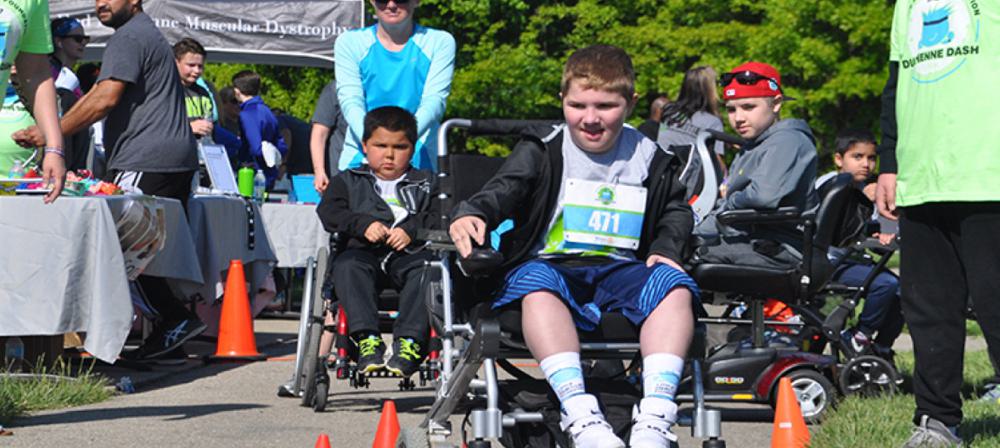
Breaking Down Barriers to Critical Care
With the help of the 2024 DREAMS Grant, the LHF has been able to grow their individualized case management services for members of the Duchenne community and subsidize the cost of translation services when supporting families whose first language is not English.
“Our mission is to ensure that every rare disease patient gets access to approved treatments,” said Kelly Maynard, President and Co-Founder of the Little Hercules Foundation. “We do this by assisting patients and families as they navigate the incredibly complex healthcare system and the world of health insurance, which is really convoluted and gets more complicated and less patient-focused, as time goes on.”
When an insurance claim is denied – whether it be for treatment with an approved therapy, medical equipment or physical therapy – families can go to the LHF for support in appealing the denial.
“Our non-ambulatory patients suffer a high percentage of denials, just because they've lost the ability to walk,” said Kelly. “I'm very proud of when these patients come to us with a denial and we’re able to get it overturned. These are huge victories for patients who, at the first time in their whole Duchenne journey, are getting to experience being on a treatment for Duchenne.”
For families whose native language is not English, this process becomes even more overwhelming. LHF aims to bridge the gap between all patients and insurance providers – ensuring they receive the care they need without a financial burden, regardless of language barriers.
Since receiving the DREAMS Grant, the LHF has upgraded to a new, more comprehensive translation service that has empowered them to better serve the Duchenne community. As part of the new service, the LHF has partnered with translators who have extensive knowledge on the intricacies of the healthcare system – ensuring critical guidance is not lost in translation.
“We had a really complicated case with a boy living with Duchenne in Puerto Rico, where Medicaid would not cover any treatments that were provided off of the island,” said Kelly. “The translator service was instrumental in helping us communicate not only with the family, but with the lawyers involved in the case. We were able to arrange for him to be seen and dosed at another clinic outside of Puerto Rico, and it was covered and paid for.”
Beyond insurance support, the translation service has been invaluable as the LHF helps families navigate the everyday challenges that arise when living with Duchenne.
“We recently used the translation service to help a family living in an apartment building in New York,” said Kelly. “Mom only spoke Farsi and she had a non-ambulatory, 27-year-old son with Duchenne who could never leave because building management would not fix the broken elevator. We couldn't have helped them without the translator service – it enabled us to communicate with the family and get in touch with the right people.”
The LHF is leaving a profound impact on families living with Duchenne by securing them the covered treatments and resources that they need to thrive. Kelly emphasized the pivotal role that grants like DREAMS play in allowing the LHF to continue their important work.
“We're really thankful that Entrada recognizes the impact of our work and supported it, because it does make a difference to the Duchenne community,” said Kelly. “We can't do it without support from grants like these – they're critical to our work.”
What’s next for the Little Hercules Foundation
Looking ahead to 2026, the LHF will continue supporting families to ensure they have access to the care they need. The foundation also plans to work with community partners to advance state-level legislation requiring Duchenne to be on every state's newborn screening panel.
Duchenne is a progressive disease, so early detection and diagnosis is critical. By ensuring that all newborns are screened for Duchenne, it will enable families to seek care earlier and potentially improve their treatment outcomes.
Get involved
For anyone looking to learn more about the LHF and support its efforts to ensure the Duchenne community gets access to medically necessary treatments and care, visit the LHF website.
Interested in applying for a future DREAMS Grant? Please visit the Entrada DREAMS Grant Program webpage where you can find applications for this year’s program.